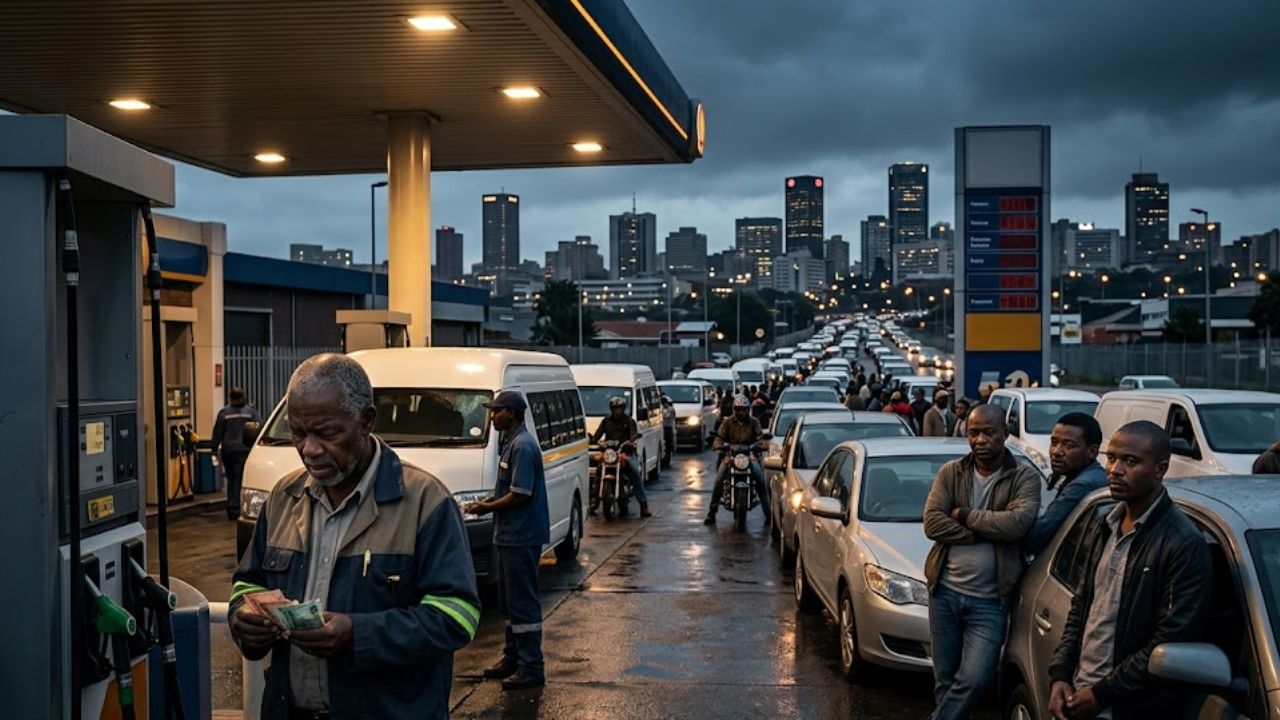
Fuel prices across Africa have experienced a noticeable surge in recent weeks, largely driven by fluctuations in global crude oil markets and ongoing tensions in the Middle East. Several major economies including Nigeria, South Africa, Ghana, Egypt, and Somalia are facing sharp increases, raising serious concerns about economic stability and social impact.
Impact on Major African Economies
In Nigeria, rising ex-depot prices influenced by the Dangote Refinery and global oil shifts have pushed fuel costs beyond ₦1,000 per litre in many regions. This has significantly increased transportation fares and electricity costs, especially as many households depend on fuel-powered generators.
South Africa is also facing upward pressure, with petrol prices expected to increase by more than R2 per litre. These changes reflect how domestic pricing systems remain closely tied to international crude oil movements, leaving consumers vulnerable to global disruptions.

Severe Price Shocks in Eastern Africa
Eastern African nations are experiencing even sharper increases. In Somalia, supply chain disruptions linked to Middle Eastern conflicts have caused fuel prices in Mogadishu to nearly double. Prices rose from around $0.65 to over $1.15 per litre, with consistent daily increases recorded.
Overall, fuel prices in parts of East Africa have surged by more than 75% as of early March 2026, placing additional pressure on already fragile economies.
Economic and Social Concerns
Experts warn that continued fuel price increases could deepen inequality and slow economic development across the continent. Higher energy and transport costs directly affect the cost of living, particularly for low-income households.

The recent volatility in crude oil prices — ranging from $60 to $120 and stabilizing near $90 per barrel — highlights the dependence of African fuel markets on external global factors.
Need for Local Energy Solutions
The ongoing crisis underscores the urgency for African nations to invest in local refining capacity, alternative energy sources, and stronger regulatory frameworks. Reducing reliance on imported fuel could help stabilize prices and protect consumers from international shocks.
Fuel Price Trends and Changes (March 2026)
Compared to the previous month, where the global average fuel price stood at $1.30 per litre, the current average has increased to approximately $1.34 per litre.
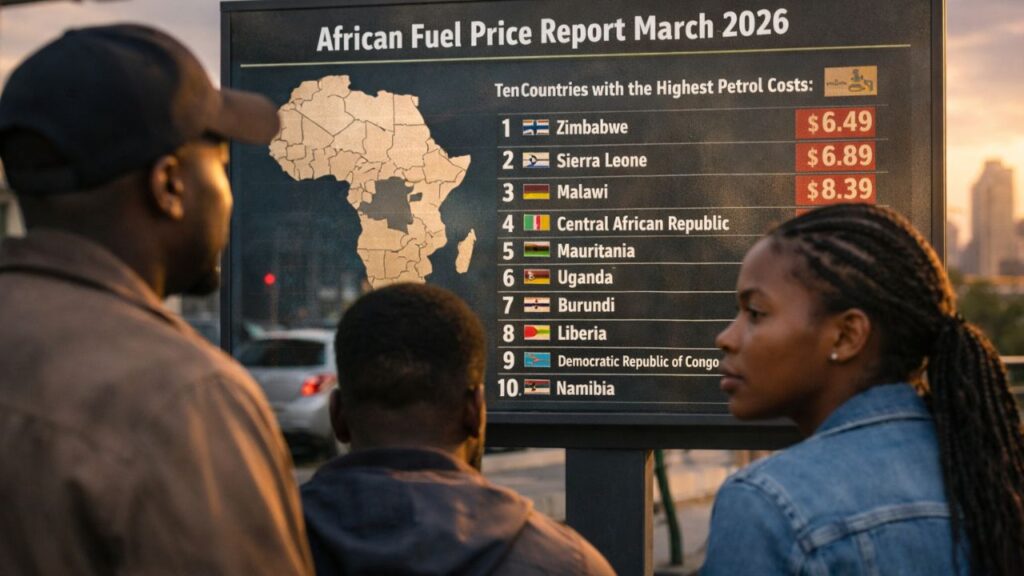
While some countries such as Malawi, Central African Republic, Senegal, Cameroon, Burkina Faso, and Ivory Coast have recorded price declines, others like Zimbabwe and Sierra Leone have seen notable increases. Additionally, Burundi and Seychelles have entered the list of higher-cost fuel countries, replacing Zambia and Uganda.
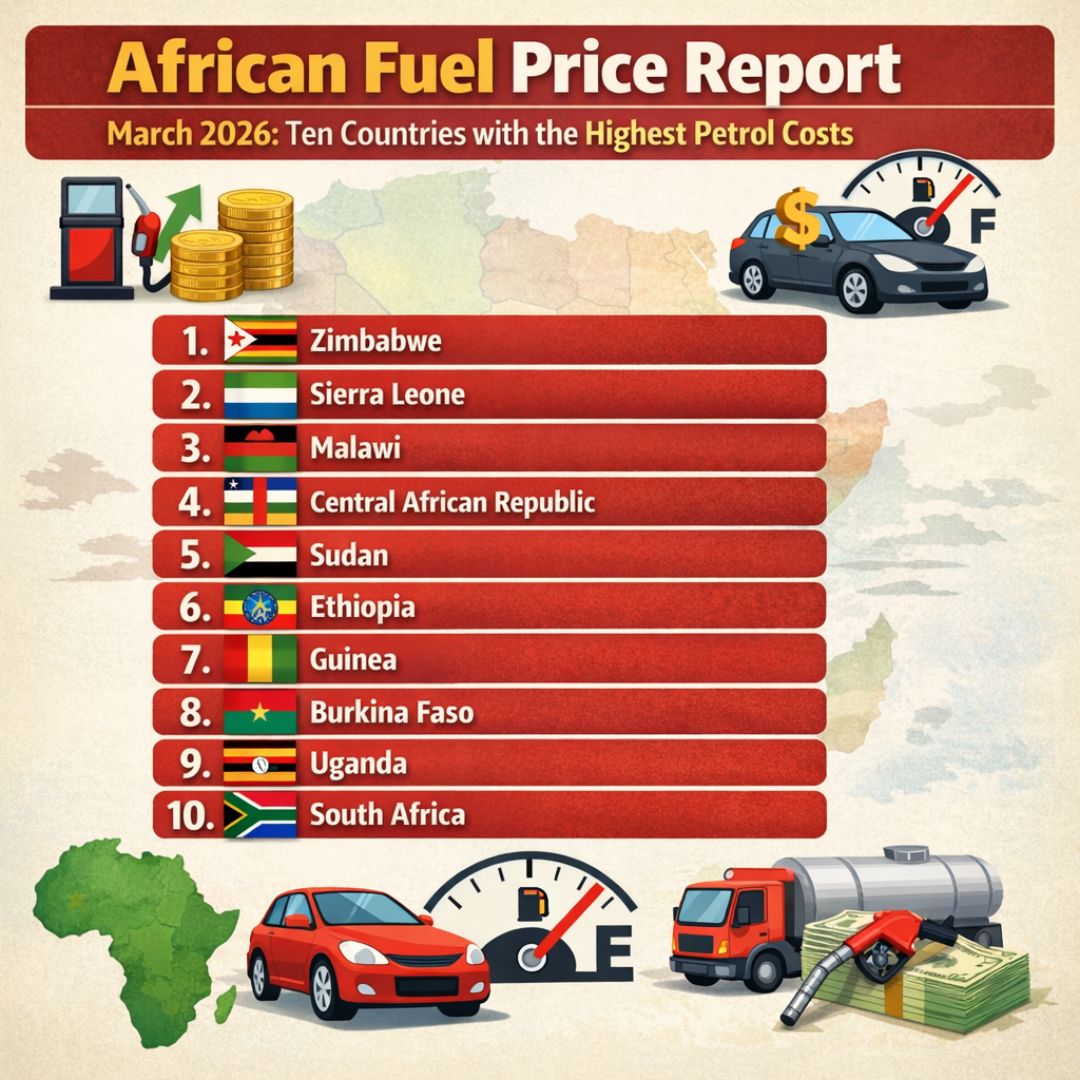
Highest Fuel Prices in Selected African Countries
| Country | Fuel Price Trend | Key Reason |
|---|---|---|
| Nigeria | Sharp Increase | Refinery pricing changes and global oil volatility |
| South Africa | Rising | Global crude price adjustments |
| Somalia | Extreme Surge | Supply chain disruptions |
| Zimbabwe | Increase | Inflation and import costs |
| Sierra Leone | Increase | Market instability |
| Malawi | Decrease | Recent price corrections |
| Senegal | Decrease | Policy adjustments |
| Cameroon | Decrease | Market stabilization |