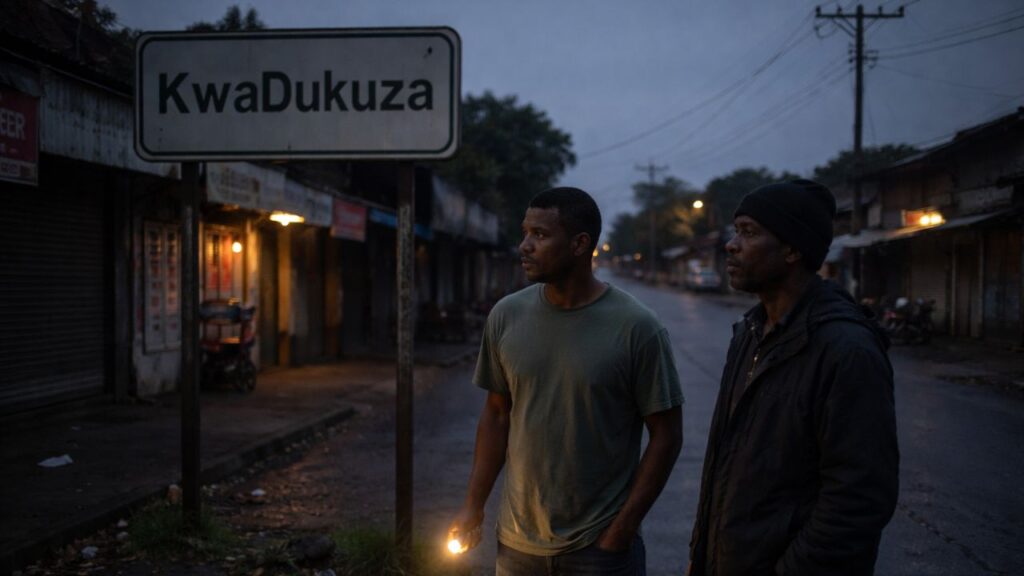
KwaDukuza, a growing municipality in South Africa’s KwaZulu-Natal province, is facing a serious electricity challenge that has raised concerns among businesses, residents, and economic planners. Reports of a R1.2 billion power shortfall have intensified discussions about infrastructure funding, municipal debt, and the sustainability of local electricity services. As electricity remains essential for homes, industry, and tourism in South Africa, the situation in KwaDukuza highlights broader national challenges linked to energy supply, municipal finances, and economic stability. Stakeholders are now closely monitoring how authorities will respond to stabilize power services and protect regional growth.
KwaDukuza Electricity Crisis and the Growing Power Shortfall
The current power supply deficit in KwaDukuza has drawn attention from policymakers and business leaders across South Africa. With an estimated R1.2 billion gap in electricity funding, the municipality faces pressure to maintain reliable service while addressing infrastructure costs. Aging distribution networks, rising demand, and delayed payments have contributed to the situation. Local industries warn that energy reliability concerns could slow investment and disrupt production if the issue remains unresolved. Municipal officials are exploring various financial and operational strategies to manage the shortfall while ensuring that essential electricity services continue to reach households and commercial sectors.
Economic Impact of the KwaDukuza Power Crisis in South Africa
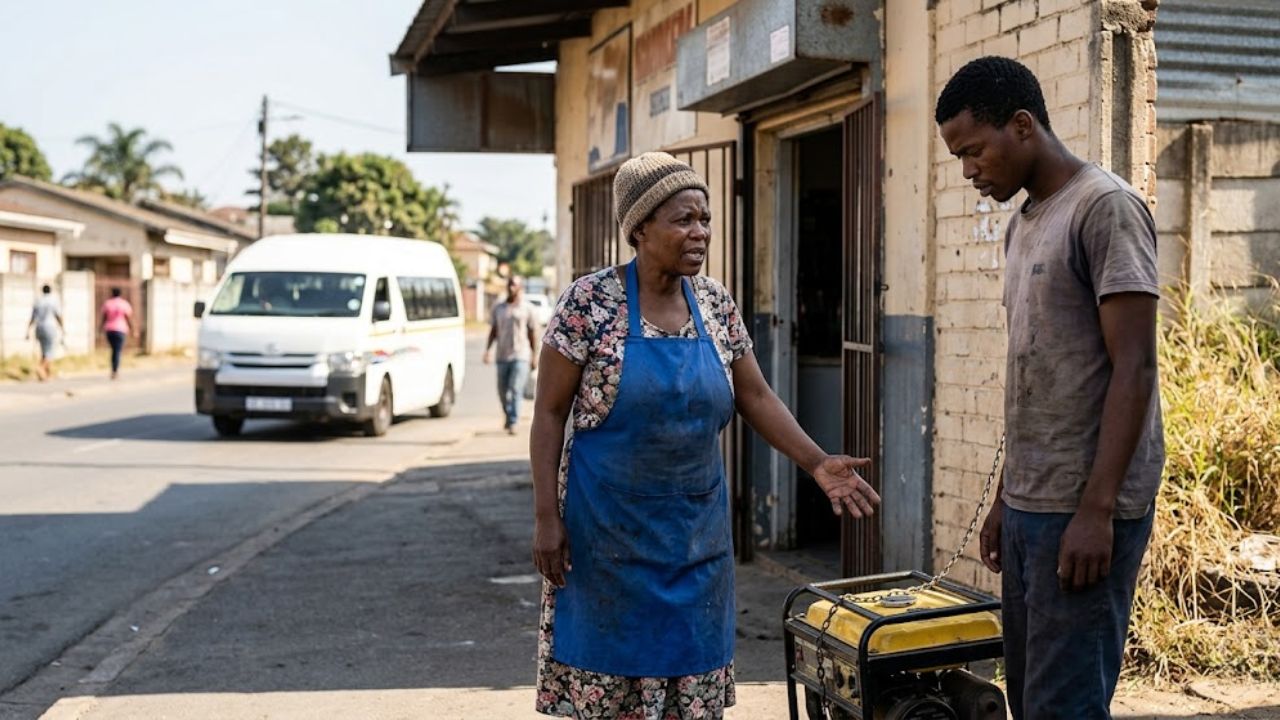
The electricity shortage is not only a technical issue but also an economic one for South Africa’s regional markets. KwaDukuza plays an important role in KwaZulu-Natal’s tourism and manufacturing sectors, meaning that local economic stability is closely tied to energy availability. Businesses depend on uninterrupted electricity to maintain productivity, support employment, and attract new investment. Experts warn that continued disruptions may create investment uncertainty risks and raise operational costs for companies relying on constant power. The municipality must therefore balance financial recovery with the protection of regional business confidence, ensuring that economic activity in the area continues without major interruptions.

Infrastructure Challenges Behind the KwaDukuza Electricity Shortfall
Infrastructure limitations are another major factor behind the KwaDukuza electricity crisis. Over time, expanding residential areas and commercial developments have increased pressure on an already strained power network. Engineers highlight the need for grid infrastructure upgrades and improved maintenance planning to avoid further outages. Funding shortages have slowed modernization projects that could strengthen the network and reduce long-term costs. Without sufficient investment, the municipality risks deeper municipal finance pressure that may impact service delivery. Authorities are therefore exploring partnerships, budget restructuring, and improved management systems to support long term energy planning for the region.
Summary and Future Outlook for KwaDukuza’s Electricity Situation
The R1.2 billion electricity shortfall in KwaDukuza highlights the complex balance between municipal finances, infrastructure investment, and economic growth in South Africa. Addressing the issue will require cooperation between local authorities, national energy agencies, and private sector stakeholders. Long-term solutions may include improved revenue collection, infrastructure modernization, and better financial planning. Experts emphasize that energy sector reforms and stronger oversight could help municipalities manage similar challenges in the future. If handled effectively, the crisis could become an opportunity to strengthen sustainable electricity management while protecting community economic resilience across the region.
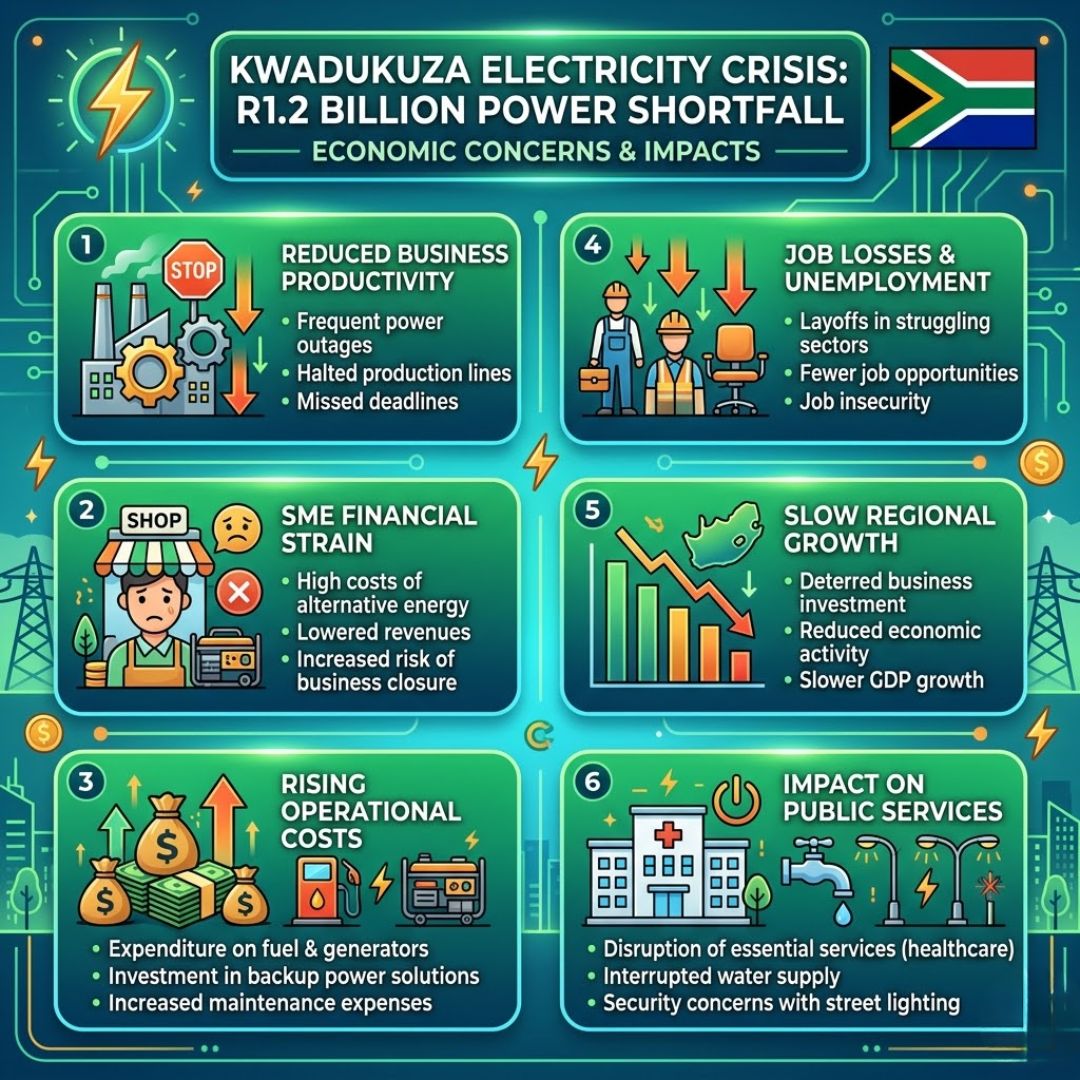
| Key Issue | Details |
|---|---|
| Estimated Power Shortfall | R1.2 Billion |
| Affected Area | KwaDukuza Municipality, KwaZulu-Natal |
| Main Concerns | Infrastructure strain and financial pressure |
| Economic Risk | Possible impact on local businesses and tourism |
| Potential Solutions | Infrastructure upgrades and improved financial planning |
Frequently Asked Questions (FAQs)
1. What caused the KwaDukuza electricity crisis?
The crisis is mainly linked to a large financial shortfall, infrastructure strain, and rising electricity demand.
2. How large is the electricity funding gap in KwaDukuza?

The municipality is facing an estimated R1.2 billion electricity funding shortfall.
3. Could the crisis affect businesses in South Africa?
Yes, energy instability may increase operational costs and create uncertainty for local businesses.
4. What solutions are being considered to resolve the issue?
Authorities are exploring infrastructure upgrades, financial reforms, and improved energy management strategies.